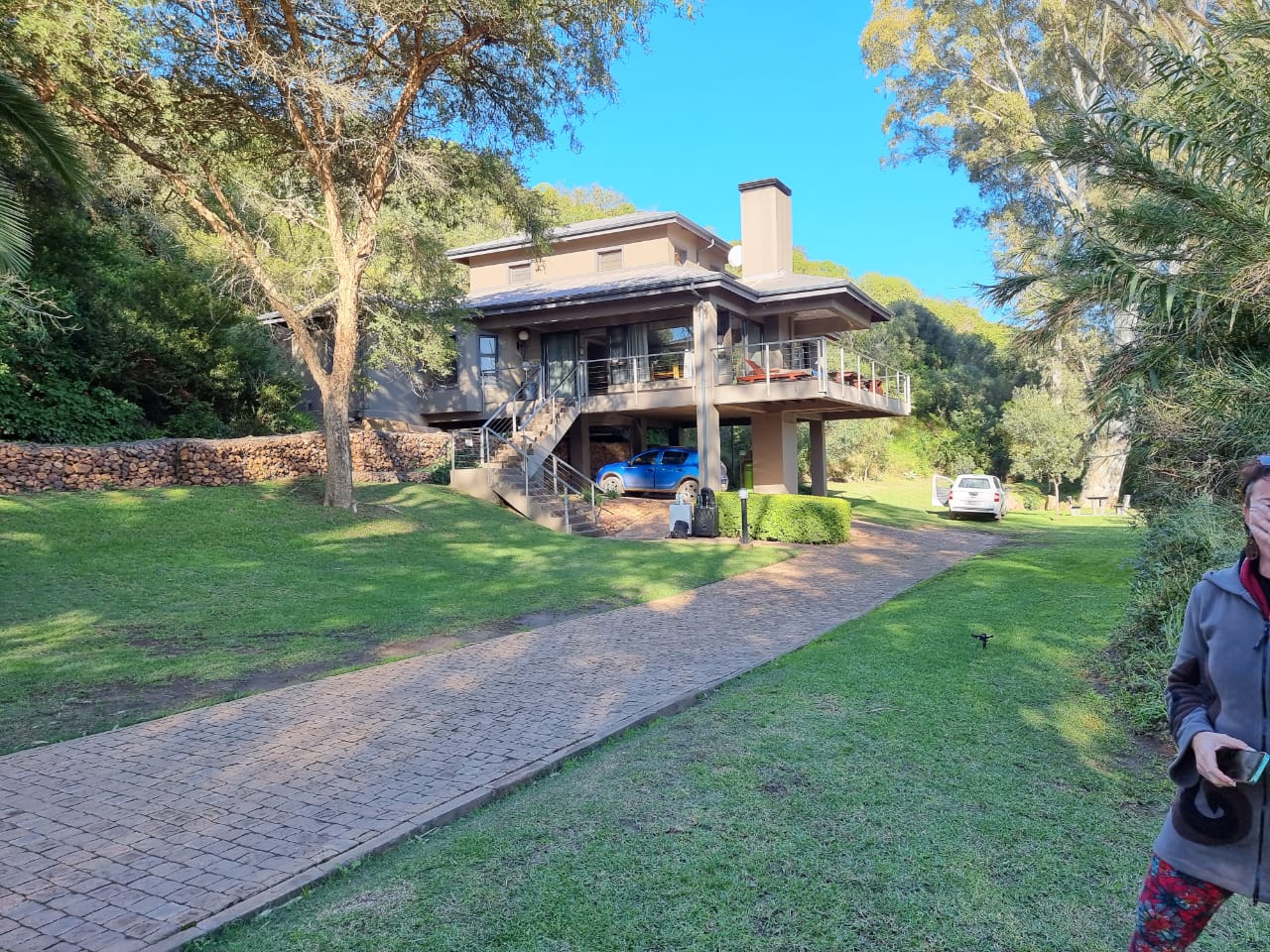
We celebrated our 5th Birthday Celebration in September 2023, and the big news that we’ve relocated from Gauteng to the beautiful Swellendam, Western Cape, in South Africa. Our new facility is on the breath-taking and rumbling Breede River, with abundant bird life, magnificent sunsets and sunrises, and epic clear night skies. Our holistic activities, include Yoga, Meditation, Massage therapy & grounding Live Acoustic Sound Journey, and Labyrinth walking. We believe in small groups of 3 people for personal attention, and host two retreats per month. Each person has their en-suite bathroom and each bedroom is equipped with a camera for observation for the first 48 hours, as safety is our first priority during each person’s transformational process.

What is Ibogaine?
Ibogaine is an isolated active alkaloid from the root bark of the central West African shrub Tabernanthe Iboga . It has been used for thousands of years for spiritual development and as a rite of passage into adulthood. Its properties as a treatment to stop opiate withdrawal were unknown until the late 1960’s. Since that time, studies undertaken by leading research and academic facilities have shown that Ibogaine is an effective addiction interrupter for most substances including heroin, methadone, methamphetamine, cocaine, alcohol, and nicotine.

The history of Ibogaine
Tabernanthe iboga (iboga) is a perennial rainforest shrub native to West Africa. An evergreen bush indigenous to Gabon, the Democratic Republic of Congo, and the Republic of Congo, it is cultivated across West Africa. Iboga is native to tropical forests, preferring moist soil in partial shade.[3] It bears dark green, narrow leaves and clusters of white tubular flowers.

How Ibogaine Works
Ibogaine alleviates physical withdrawal symptons of opiate detoxification by resettingand refreshing the opiate receptor sites. How this is done is still not fully understood, no other known substance has shown this method of action. Once this process is complete, no further use of Ibogaine is necessary. It functions in a similar way to treatments that block or take residence in the receptor sites that normally harbor chemical substances.