When Psychedelic Experiences Go Wrong
Understanding Challenging Experiences, Psychological Risks,
HPPD, and Long-Term Difficulties
An evidence-informed overview, updated August 2026
Important: This article is educational and is not a diagnosis or a substitute for medical care. New suicidal thinking, severe confusion, dangerous behavior, seizures, loss of consciousness, inability to sleep for several nights with escalating energy, or persistent loss of contact with reality requires urgent professional assessment.[24][40][1]
Psychedelic experiences are often described in terms of healing, insight, connection, creativity, and transformation. For some people, that is accurate: supported experiences may be remembered as deeply meaningful, and clinical research has reported promising results for several psychiatric conditions. Psychedelics can also produce overwhelming fear, impaired judgment, injury, psychiatric destabilization, persistent perceptual symptoms, or changes in identity and belief that take months or years to understand. [45][51][29]
Public discussion often fails to hold these realities together. Enthusiastic accounts may minimize adverse reactions or recast them as resistance to healing; alarmist accounts may treat any unusual perception as evidence of permanent brain damage. Neither reflects the evidence. Most users of classic psychedelics do not develop severe lasting disorders, but a minority experience clinically important, sometimes profoundly disabling problems. [29][24]
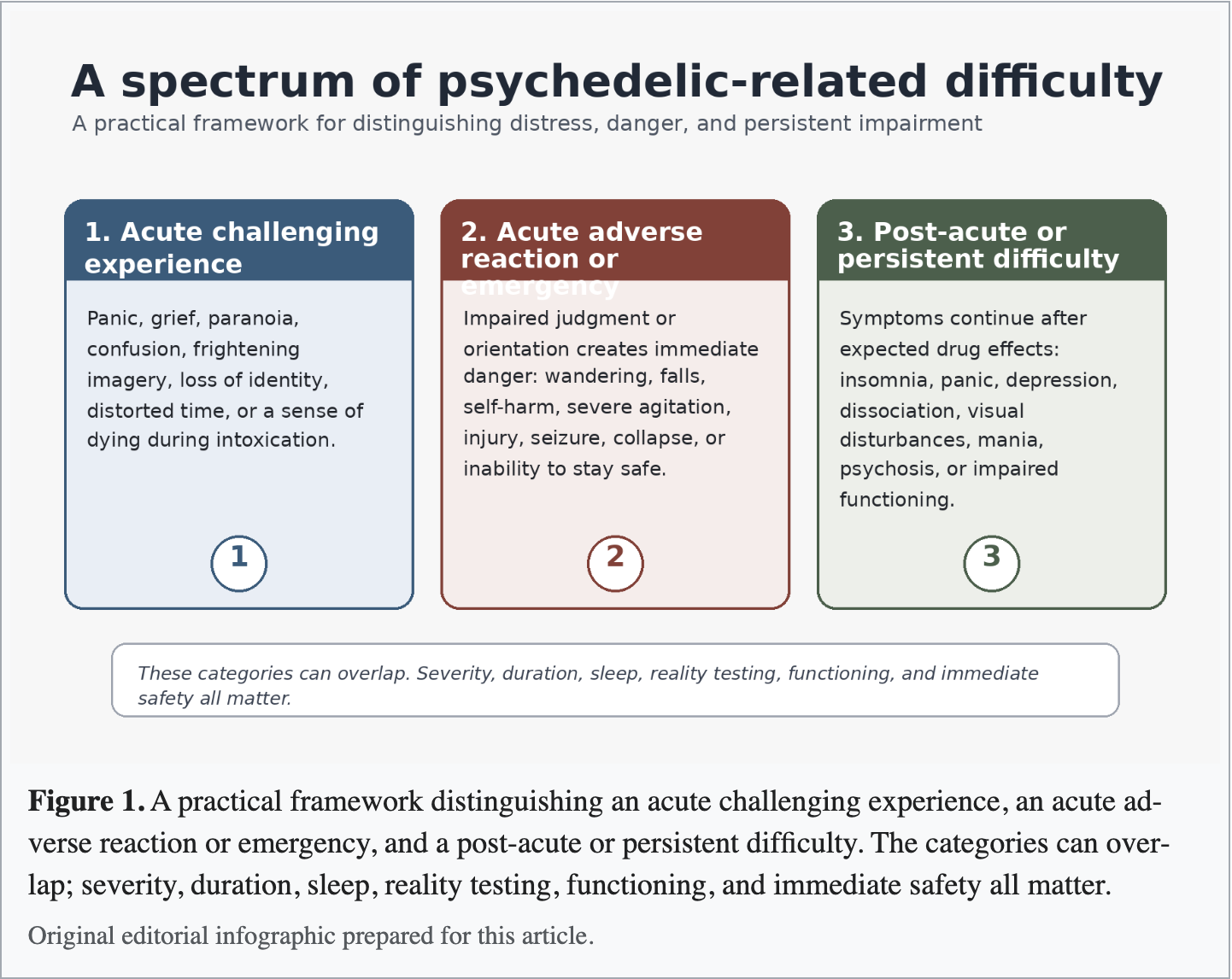
The phrase “bad trip” is inadequate because it collapses different outcomes into one label: a frightening but time-limited experience; an acute emergency involving dangerous behavior, a medical complication, or loss of reality testing; or persistent anxiety, depersonalization, mania, psychosis, HPPD, or existential crisis. These outcomes can overlap, but they differ in causes, prognosis, and response to care.[29]
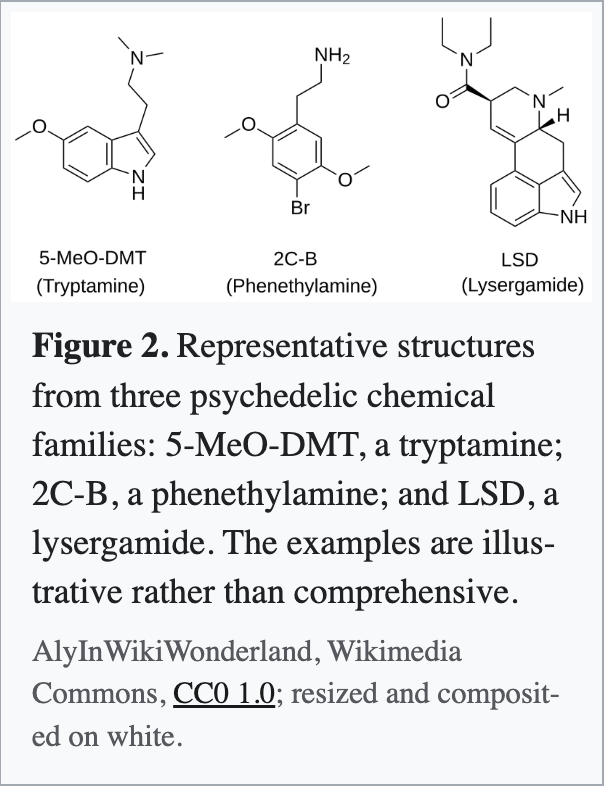
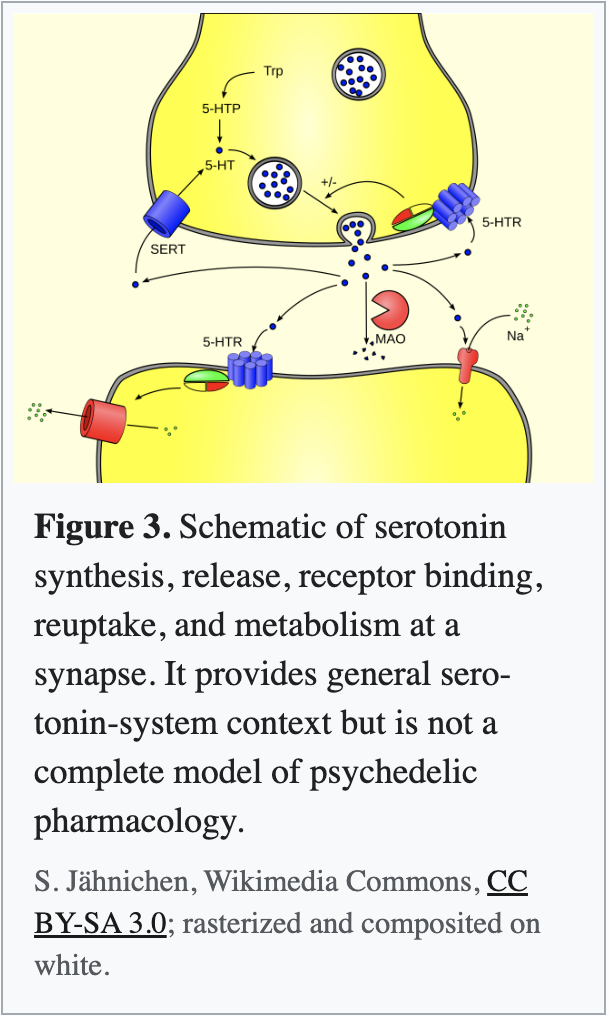
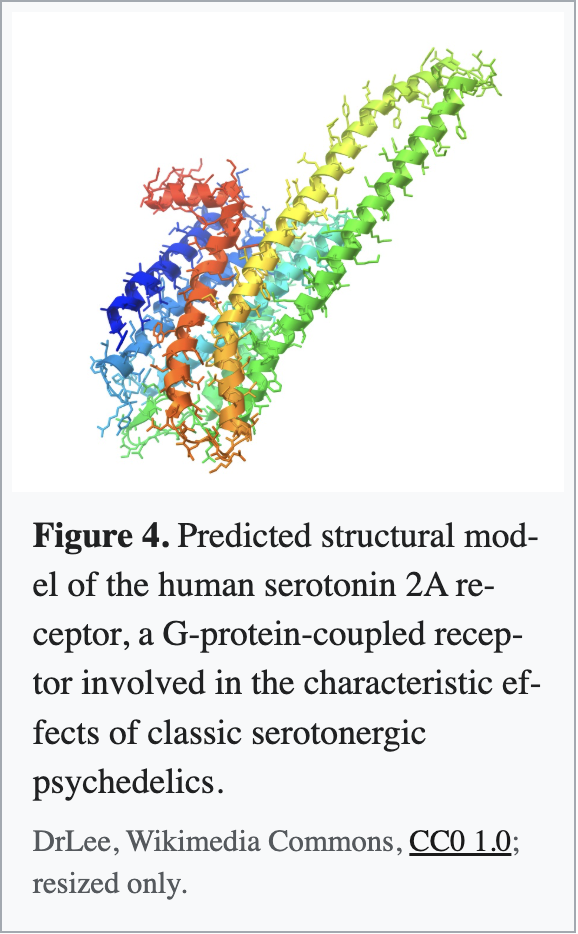
This article focuses primarily on classic serotonergic psychedelics—psilocybin, LSD, mescaline, DMT, and ayahuasca—which act largely through serotonin 5-HT2A receptor activity, though their pharmacology is more complex. MDMA, ketamine, PCP, ibogaine, salvia, novel compounds, and mislabeled products can carry different risks. FDA guidance likewise identifies distinctive challenges in psychedelic research, including intense perceptual changes, altered consciousness, functional unblinding, interactions, safety monitoring, vulnerability, and suggestibility. [34][38][48]
Because outcomes depend on exposure and context, responsible discussion must distinguish association from causation, temporary distress from disorder, and manageable symptoms from emergencies without treating uncertainty as absence of risk. [48][29]
The purpose is not to discourage research or deny therapeutic benefit, but to describe what matters when an experience becomes frightening, dangerous, or persistent.
How this article is sourced
This article prioritizes systematic reviews and meta-analyses, controlled trials, prospective research, official clinical guidance, and large cohorts. Surveys cannot establish universal risk, and case reports cannot estimate frequency. The 2026 Global Psychedelic Survey is identified as a preprint, while HPPD treatment evidence is treated as limited because it relies mainly on case reports, small series, and uncontrolled observations.[48][51][42][37]
Evidence strength varies by setting. Screened clinical trials cannot automatically be generalized to unsupervised use, unknown products, repeated dosing, polysubstance exposure, or excluded high-risk populations. Online reports and clinical cases can reveal neglected harms without establishing incidence. Where causation is uncertain, the article uses terms such as associated with, reported after, or may have contributed rather than assigning a psychedelic as the sole cause. [23][39][26][29]
Study design determines what a result can show: trials test controlled exposures but often exclude high-risk participants; surveys rely on self-report; health records depend on coding and treatment seeking; qualitative studies provide depth rather than prevalence. Numerical estimates are therefore presented with their setting and limitations. [51][42][12][11]
1. Beyond the “bad trip”: a spectrum of difficult outcomes
A more useful framework separates at least three levels of difficulty: an acute challenging experience, an acute adverse reaction or emergency, and a post-acute or persistent complication. A person can move from one level to another, and the boundaries are not always obvious in real time.[29]
Acute challenging experiences
During intoxication, a person may experience panic, grief, shame, paranoia, confusion, frightening imagery, a sense of dying, dissolution of identity, altered time, physical discomfort, resurfacing traumatic material, or the conviction that the altered state will never end. The surroundings may look threatening or artificial. Familiar people may seem unrecognizable or malevolent. Thoughts may repeat in loops, and attempts to regain control can intensify fear.[8][13]
Such an experience can be psychologically extreme without becoming a psychiatric disorder. The person may remain physically safe, retain some capacity to respond to reassurance, and return to their usual level of functioning after the acute effects resolve. They may later understand the event as meaningless, traumatic, beneficial, or some mixture of all three.[47][13]
A retrospective survey asked 1,993 people about their most difficult psilocybin-mushroom experience. Thirty-nine percent ranked it among the five most challenging events of their lives, 11 percent reported risk of physical harm, 2.7 percent received medical help, and 84 percent reported some later benefit. Because the sample was recruited around worst experiences, these are not estimates for all use; they show that severity, risk, meaning, and later benefit can coexist. [13]
A frightening experience is not automatically damaging, but distress is not automatically therapeutic either. Some difficult experiences become sources of resilience or insight; others leave people afraid, ashamed, sleep-deprived, or unable to function. The later story should not be imposed in advance. [13][43]
Acute adverse reactions and emergencies
A challenging state becomes an emergency when impaired perception, judgment, behavior, or physiology creates immediate danger. Examples include wandering into traffic, falling from a height, entering water, unsafe driving, aggression, self-harm, severe agitation, inability to recognize familiar people or surroundings, collapse, seizure, overheating, chest pain, or an inability to be awakened.[13][26][40]
Emergencies may arise from psychological effects, but also from misidentified, unexpectedly potent, contaminated, or combined substances. Natural products vary in concentration, and underlying medical conditions or medication interactions may contribute. The compound may have stimulant, dissociative, anticholinergic, or opioid effects rather than what the person believed they took.[34][22][7]
In a global survey of 9,233 people who used psilocybin mushrooms in the previous year, 19—0.2 percent—reported seeking emergency medical treatment, an estimated 0.06 percent per use event. Anxiety, panic, paranoia, poor setting, and substance mixing were prominent; all but one returned to normal within 24 hours. Emergency presentations were uncommon in this sample, but the findings do not establish risk for unknown products, very high doses, vulnerable populations, or other substances. [26]
Post-acute and persistent difficulties
For some people, the expected drug effects end but normal functioning does not fully return. Symptoms may begin immediately, become obvious over the following days, or fluctuate after an apparently normal interval. They can include insomnia, panic, depression, emotional volatility, intrusive memories, depersonalization, derealization, visual disturbances, tinnitus, somatic hypervigilance, obsessive meaning-making, mania, psychosis, or a lasting inability to feel secure in ordinary reality.[42][11][36]
Duration alone does not determine clinical significance. A symptom lasting several days may be urgent when it involves suicidality, total insomnia, escalating grandiosity, or dangerous confusion. A visual phenomenon lasting months may be mild for one person and disabling for another. Clinicians therefore consider severity, distress, impairment, safety, sleep, reality testing, and change from the person’s baseline—not simply whether a symptom has crossed an arbitrary time threshold.[29][24]
A 2026 global survey preprint of 6,476 people with psychedelic experience found that 48.3 percent recalled a difficulty lasting at least 24 hours, 9.9 percent one lasting over a year, and 8 percent a month-or-longer difficulty that disrupted daily life. Existential struggle, depression, and derealization were common categories. These retrospective, self-reported, broadly defined preprint findings are not population incidence, but they show that extended difficulties extend beyond isolated case reports. [42]
2. Why psychedelic reactions can become so intense
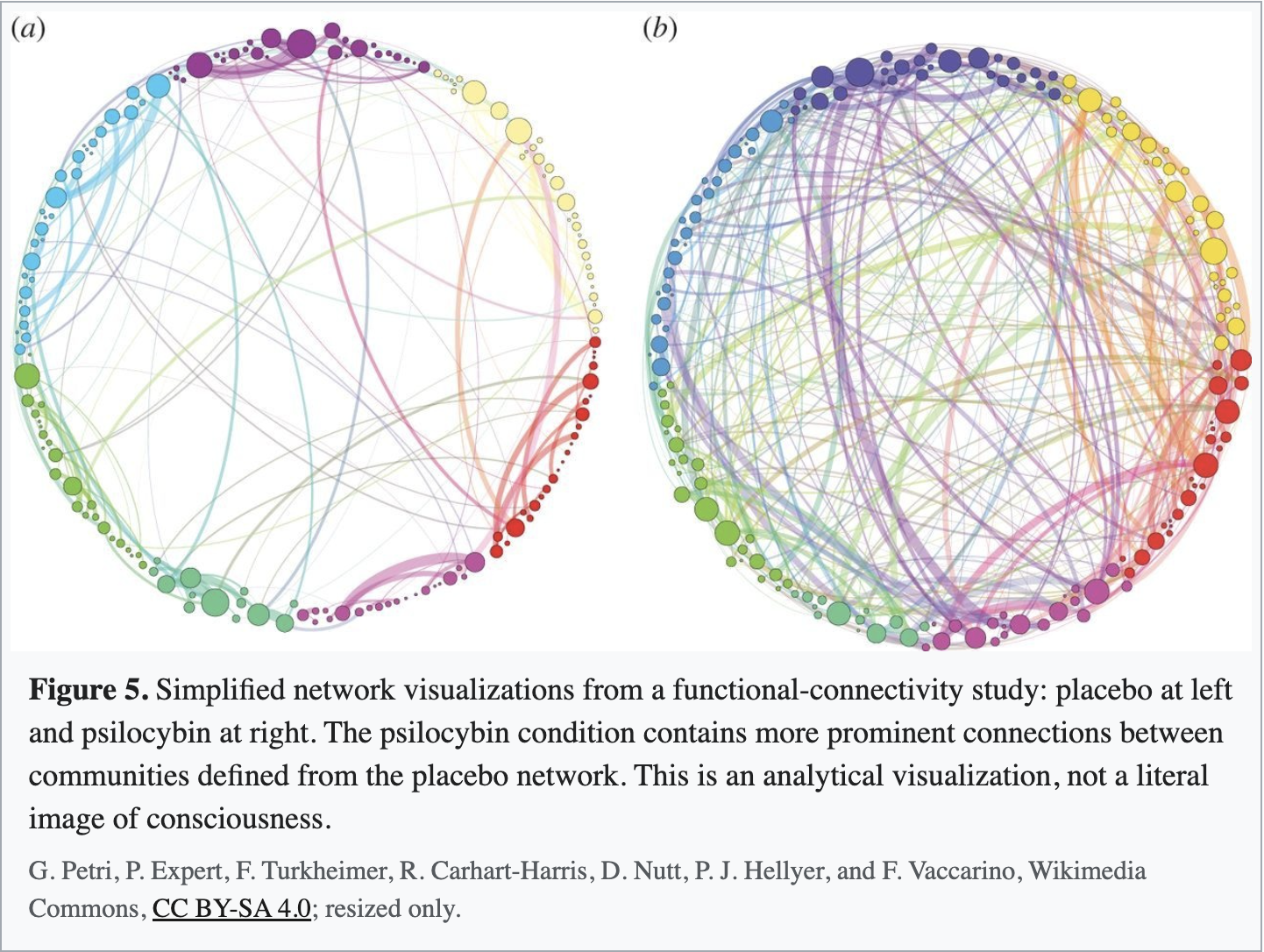
Classic psychedelics alter far more than vision, affecting sensory processing, emotional salience, attention, memory, self-representation, time perception, bodily awareness, and the boundary between internally generated material and external reality. A 2026 mega-analysis of 11 neuroimaging datasets across psilocybin, LSD, mescaline, DMT, and ayahuasca found common large-scale changes in brain organization, including altered communication between higher-order integrative and visual or sensorimotor systems. [20][45][38]
Under ordinary conditions, the brain selects, predicts, and organizes information. Psychedelic states may loosen these constraints, giving sensations, memories, fears, and expectations exceptional intensity. A passing thought can feel revelatory; a bodily sensation can feel fatal; a visual shadow intentional; or a remembered fragment certainly true.[20][38]
Heightened salience helps explain why similar drug effects can feel liberating to one person and terrifying to another, and why environment matters. Music, lighting, discomfort, conflict, a facilitator’s tone, interruption, or fear of discovery can rapidly redirect experience. “Set and setting” describes the interaction among expectations, mental state, surroundings, relationships, culture, and drug effects; it is not a guarantee of safety. [10][23]
Dose matters as well. In an exploratory analysis of a controlled psilocybin study, higher dose was strongly associated with both mystical-type and challenging experiences. Younger age and higher neuroticism showed more limited associations with challenging intensity. These results do not provide a risk calculator, but they reinforce that stronger exposure can increase both desired and undesired effects.[25]
The meaning of an experience is not fixed when it occurs. Later conversations, sleep, social feedback, therapy, online communities, spiritual systems, and mood can reshape interpretation. Supportive explanations may reduce panic; catastrophic or grandiose ones may amplify it. Symptoms need not be imaginary for physiology, attention, emotion, and interpretation to reinforce one another. [5][33]
3. What the available safety evidence can—and cannot—tell us
Claims that psychedelics are either “safe” or “dangerous” are incomplete without a population, substance, dose, context, outcome, and time frame. A single medically screened psilocybin session is not equivalent to repeated unsupervised use of an unknown compound. A transient headache is not equivalent to psychosis. A survey of volunteers recruited from psychedelic communities is not equivalent to a population registry.[23][48]
Controlled trials generally report a tolerable short-term physical safety profile for therapeutic-dose psilocybin in selected participants. A 2024 systematic review and meta-analysis of six double-blind trials involving 528 people treated for depression or anxiety found increased risks of headache, nausea, anxiety, dizziness, and elevated blood pressure. These effects generally resolved within 48 hours. The authors noted the need for more systematic management and reporting of adverse events.[51]
That evidence is reassuring within its limits. Trial participants are medically and psychiatrically screened, receive known doses, and are monitored in controlled settings. Exclusion of people with psychotic disorders, bipolar I disorder, uncontrolled cardiovascular disease, significant substance use, active suicidality, or concerning medications may underrepresent those most vulnerable to complications.[23][48][21][41]
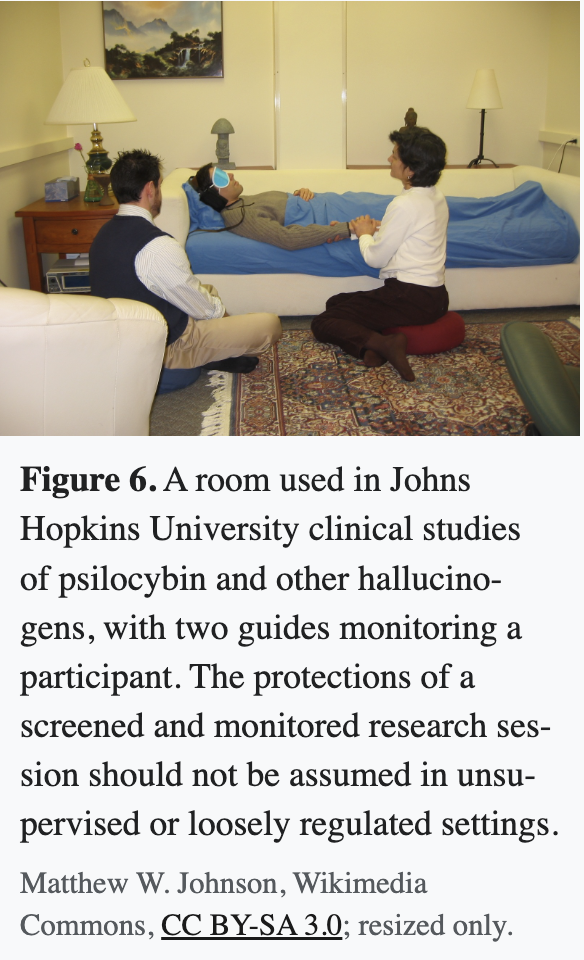
Trials also face methodological problems. Obvious subjective effects make blinding difficult, allowing expectations to influence symptom ratings, clinician behavior, and adverse-event reporting. FDA’s 2026 guidance highlights functional unblinding, recommends extended follow-up, and requires documentation of expected central nervous system effects even when described positively or neutrally.[48][39]
Naturalistic surveys broaden the picture but introduce different biases: substance and dose may be uncertain, memories change, unusual outcomes may motivate participation, online samples may not represent all users, and perceived causation does not prove actual causation. [26][42][27][36]
Case reports can identify rare possibilities such as mania, prolonged psychosis, seizures with interacting drugs, or severe HPPD, but cannot estimate frequency and often involve confounders such as family vulnerability, sleep deprivation, repeated exposure, polysubstance use, or pre-existing symptoms. Their absence also does not prove an event never occurs because harms may go untreated, misdiagnosed, or undisclosed. [50][35][19][7]
The current conclusion is modest. Serious emergencies and persistent psychiatric disorders appear uncommon relative to the total number of psychedelic use events, particularly in screened and supervised research. They are nevertheless real, probably under-characterized, and unevenly distributed. Risk is likely concentrated in particular circumstances and vulnerable individuals, but current evidence cannot assign a reliable personalized probability.[51][26][42][44]
4. The anatomy of an acute challenging experience
An acute challenging experience may begin with onset anxiety—nausea, a racing heart, visual movement, or uncertainty about the dose—and intensify when expected drug effects are interpreted as catastrophe. “I am losing control” can become “I am dying,” “I have broken my mind,” or “this will last forever.” Altered time perception can make even a brief panic feel endless. [8][13]
Fear can then become self-reinforcing. The person scans the body for danger, notices every heartbeat or breath, and treats each sensation as confirmation. Attempts to suppress imagery or force the experience to stop can increase the sense of struggle. Reassurance may help, but it may also be misunderstood if trust has deteriorated. A familiar companion can temporarily appear deceptive, controlling, or unreal.[8][23]
Other difficult experiences center on grief, shame, or traumatic material. Memories may emerge vividly and out of sequence, symbolic imagery may feel literal, and moral or interpersonal convictions may become absolute. Such experiences deserve compassionate attention, but emotional force does not establish factual accuracy. [17][14]
Ego dissolution is ambiguous. Some people experience a temporary reduction in the ordinary sense of self as peaceful unity; others experience annihilation, possession, insanity, or death. Research linking acute experiences with later improvement does not justify maximizing fear or treating terror as necessary for healing. A small treatment-resistant depression study associated both “oceanic boundlessness” and dread-related dimensions with later outcomes, but did not establish that distress should be induced or left unsupported.[43][8]
A person can also become behaviorally disorganized without appearing frightened. They may remove clothing, leave the room, climb, run, approach strangers, enter traffic, or attempt to act on a symbolic mission. The absence of visible panic does not imply safety. Grandiosity, disinhibition, confusion, and impaired recognition of hazards can be as dangerous as fear.[13]
Support during an acute crisis
When no immediate medical emergency exists, support should be calm: reduce noise, crowds, conflict, and unnecessary touch; use short sentences; orient the person; remind them that a drug was taken and acute effects change with time; offer modest water when appropriate, a safe place to sit or lie down, and a trusted sober presence.[23][48]
Do not argue aggressively about unusual beliefs, shame the person, crowd them, restrain them casually, or promise with certainty that nothing bad can happen. A better approach is to acknowledge the fear while avoiding confirmation of a delusion: “I can see that this feels terrifying. I am here with you. Let’s stay in this safe room and get medical help if your symptoms worsen.”[23][24]
Consent still matters. A drug-affected person may be unusually vulnerable, suggestible, confused about boundaries, or unable to make complex decisions. Touch should not be assumed to be comforting. Except when needed to prevent immediate injury, ask before touching and respect previously stated limits. Research on therapeutic touch in psychedelic settings emphasizes advance consent, continuing attention to preferences, and particular caution about expanding consent after drug administration.[31][48][15]
Supporters should maintain a low threshold for professional help when the substance or dose is unknown, multiple drugs were taken, symptoms are medically concerning, the person cannot be kept physically safe, or severe confusion and agitation are not improving. “Talking someone down” is not a substitute for emergency assessment when collapse, seizure, breathing difficulty, chest pain, extreme temperature, persistent vomiting, injury, or dangerous behavior is present.[40][24]
5. Acute adverse reactions, physical danger, and medical uncertainty
Classic psychedelics may have relatively low direct physiological toxicity, but serious harm can still arise through altered judgment, falls, drowning, unsafe driving, self-injury, violence, panic-related cardiovascular symptoms, aspiration, dehydration, overheating, prolonged exertion, interactions, or exposure to a product that is not actually a classic psychedelic. [38][34][51][26]
The label attached to an unregulated product is not a laboratory result. Powders, blotters, gummies, chocolates, capsules, and mushroom extracts may contain unexpected ingredients or varying concentrations. Some compounds sold as LSD or mushrooms have different toxicity profiles and durations. When emergency clinicians ask what was taken, honesty about uncertainty is more useful than insisting on a particular identity.[34][22]
Medical evaluation is especially important when the presentation does not match an expected uncomplicated psychedelic state. Marked muscle rigidity, very high temperature, repeated seizures, severe chest pain, focal neurological signs, blue or gray skin, inability to breathe normally, prolonged unconsciousness, or rapidly worsening confusion should not be interpreted as spiritual crisis or emotional resistance. They may reflect poisoning, interaction, trauma, or an unrelated medical condition.[40][24][46]
Medication interactions are incompletely studied and differ by compound. FDA’s 2026 guidance identifies several concerns for research programs, including possible potentiation with lithium or tricyclic antidepressants and the danger of combining monoamine oxidase inhibitors with MDMA or other amphetamine-based compounds. This does not mean every antidepressant–psychedelic combination produces the same effect, nor does it justify stopping prescribed medication without medical supervision. Abrupt medication withdrawal can itself cause serious symptoms.[48][22]
Lithium deserves specific caution. An analysis of online experience reports found seizures in 47 percent of 62 reports involving lithium plus a classic psychedelic, and 39 percent involved medical attention. These are uncontrolled, selectively posted reports rather than an incidence study, but the signal was strong enough for the authors to advise substantial caution. A later scoping review similarly concluded that available evidence is heterogeneous but that concomitant drugs such as lithium may increase seizure risk.[35][46]
A psychiatric emergency can also outlast the main drug effect. A person who remains severely disorganized, paranoid, suicidal, manic, or unable to recognize reality after the expected intoxication period needs assessment. Waiting for an arbitrary number of hours can be dangerous when the trajectory is worsening.[24][29]
6. When the experience does not end psychologically
The days after a psychedelic experience are sometimes described as an “afterglow.” A person may feel open, emotionally sensitive, energized, tired, reflective, or temporarily unsettled. Mild changes in mood or sleep are not automatically pathological. The concern grows when symptoms intensify rather than settle, prevent ordinary functioning, or introduce a major break from the person’s baseline.[36][42]
Persistent difficulties often cluster. Visual static may trigger fears of brain damage, insomnia, constant checking, panic, and derealization. Ontological destabilization may lead to sleepless research, growing certainty of a special mission, and progression toward mania or psychosis. A person who felt trapped or violated may later develop intrusive memories, avoidance, shame, and hyperarousal. [42][11][12]
The same symptom can have different meanings. Reduced sleep may reflect ordinary after-effects, anxiety, substance use, or mania. Detachment may indicate a stress reaction, depersonalization, depression, psychosis, medication withdrawal, or neurological problems. Visual symptoms may reflect HPPD, migraine, visual snow, an eye disorder, sleep deprivation, or heightened awareness of normal entoptic phenomena. Careful assessment matters more than the first available label.[29][24][52]
7. Persistent anxiety and trauma-like reactions
An acutely terrifying psychedelic state can become a reference point around which later anxiety organizes. People may repeatedly check whether they feel normal, examine visual fields, test memory, search the internet for irreversible damage, or avoid anything associated with altered consciousness. Darkness, mirrors, meditation, cannabis, bodily sensations, music from the session, or the act of falling asleep may become triggers.[11][42]
The person may experience intrusive images, nightmares, startle responses, emotional numbing, or a strong sense that the event is happening again. These reactions can resemble trauma-related symptoms even when the precipitating event was primarily internal. In other cases, the experience involved an external trauma as well: restraint, abandonment, unwanted touch, sexual assault, humiliation, injury, or fear that a facilitator would not help.[11][24]
A 2023 case-analysis study recruited people who reported negative psychological responses lasting more than 72 hours after psychedelic use. Anxiety and fear were prominent, and some participants described emerging or worsening depression, panic, sleep disturbance, paranoia, intrusive thoughts, or psychotic symptoms. The sample was small and self-selected, so it cannot estimate prevalence. Its value is descriptive: it documents patterns that can be missed when research asks only whether a serious adverse event occurred.[11]
Health anxiety can become particularly consuming. The person may treat every floater, afterimage, headache, lapse in concentration, or moment of unreality as evidence of progressive neurological damage. Repeated reassurance-seeking may bring short relief but strengthen the monitoring cycle. This does not mean the symptoms are fabricated. It means that genuine perceptual or bodily changes can interact with attention, threat interpretation, and arousal.[12][49][52]
Treatment should not force a positive interpretation. Telling someone that terror was “the medicine working,” that they attracted the experience, or that they must return to the psychedelic state can deepen shame and fear. A trauma-informed approach emphasizes safety, sleep, stabilization, control over pacing, and permission to remain uncertain about meaning. Further psychedelic exposure is not a required form of exposure therapy and may worsen symptoms.[5][29]
8. Depersonalization, derealization, and ontological shock
Depersonalization is a sense of detachment from one’s body, thoughts, emotions, identity, or actions. A person may feel as though they are observing themselves from a distance, performing automatically, or living behind a pane of glass. Derealization is a sense that the external world is dreamlike, artificial, flat, unfamiliar, or not fully real. Insight is often partly preserved: the person recognizes that the feeling is altered even though it is deeply convincing.[29][5]
Psychedelic experiences can produce both states acutely, particularly when ordinary boundaries of self and perception are disrupted. For many people they resolve with intoxication. For others, the sensations persist or recur during stress, fatigue, panic, or substance use. The fear generated by the symptoms can then intensify them. A person asks, “What if reality is permanently broken?” and the anxious monitoring makes the environment feel even stranger.[29][42]
Derealization must be distinguished from psychosis. Someone with derealization may say, “The world feels fake, but I know this is a feeling.” Someone with psychosis may become convinced that specific agents control a simulated world and act on that belief. Because insight can fluctuate, assessment should consider behavior, conviction, functioning, and other symptoms.[29][44]
A psychedelic experience may also produce ontological shock: destabilization of assumptions about existence, consciousness, death, God, identity, or the nature of reality. The person may struggle to reconcile a seemingly mystical, nonhuman, ancestral, extraterrestrial, or death-like experience with their previous worldview. This is not inherently a disorder. It becomes clinically significant when the person cannot sleep, work, maintain relationships, tolerate uncertainty, or participate in ordinary life.[5]
A 2026 review describes “ontologically challenging psychedelic experiences” as a phenomenological and harm-reduction concept rather than a diagnosis. Such experiences may be valued by some people and destabilizing for others, and the available evidence for best management remains limited. Grounding, supportive relationships, cognitive reframing, and space for uncertainty may help without requiring a clinician to endorse or deny metaphysical claims.[5]
The therapeutic stance is important. Ridiculing a person’s spiritual interpretation can rupture trust, while confirming an extraordinary claim as objective fact can intensify delusion or grandiosity. A neutral response might be: “That experience felt completely real and has changed how you see the world. We do not have to decide its ultimate explanation today. Let’s focus first on sleep, safety, and your ability to function.”[5][24]
9. Depression, disappointment, and suicidality
Psychedelics do not reliably relieve depression, and even a clinically meaningful average effect does not guarantee individual benefit. Some people experience no improvement. Others improve briefly and then relapse. A person who approached the experience as a final hope may interpret nonresponse as proof that nothing can help them. The contrast between public promises and personal outcome can create shame, hopelessness, or the belief that they failed the treatment.[21][41]
Depression may also worsen after frightening content, interpersonal rupture, loss of sleep, or destabilization of identity. A person may feel emotionally exposed without having the support needed to process what emerged. They may regret disclosures or decisions made during a vulnerable period. The end of an intense state can be followed by emptiness, exhaustion, or disconnection rather than an afterglow.[50][21]
Suicidal behavior following psychedelic experiences has been reported, but causation is often difficult to determine. In the Carbonaro survey, three cases appeared associated with suicide attempts and three with enduring psychotic symptoms. Participants already differed in vulnerability, dose, context, and other exposures, and a retrospective survey cannot show that psilocybin alone caused the events. The appropriate conclusion is not that psychedelics predictably cause suicide, but that suicidal outcomes are possible and should be assessed rather than reframed as integration.[13]
A published clinical case report has also described worsening suicidal ideation and a prolonged adverse course after psilocybin in a research setting, underscoring that screening and supervision reduce but do not eliminate individual risk.[50]
Any new or escalating suicidal thinking, planning, preparatory behavior, inability to commit to immediate safety, or belief that death is required to complete a psychedelic insight warrants urgent help. Mystical language does not make suicidal intent less dangerous. Statements about needing to “leave this reality,” “finish ego death,” “cross over,” or “sacrifice the body” should be taken seriously and clarified directly.[1][24]
10. Hypomania and mania
Mania is more than feeling inspired, productive, or spiritually energized. It involves a marked change from baseline in mood and activation with impaired judgment or functioning. Hypomania is less severe; psychosis or marked impairment indicates mania. Warning signs include sharply reduced need for sleep, accelerating thoughts, pressured speech, irritability, grandiosity, impulsive spending, sexual or financial risk-taking, relentless projects, and beliefs of exceptional powers, knowledge, status, or a unique mission.[18][16][30]
The early stages can feel wonderful. A person may report that depression has vanished, ordinary limitations no longer apply, and every coincidence confirms a new purpose. Friends may initially interpret the change as healing. Danger increases as sleep decreases, plans multiply, criticism becomes intolerable, and behavior departs from usual values.[18][24]
Psychedelic-associated mania is difficult to study because modern trials often exclude bipolar I disorder or prior mania. Case reports and surveys suggest mania or hypomania can follow psychedelic use, especially with bipolar vulnerability, sleep disruption, repeated dosing, or polysubstance use. A 2026 bipolar review found two small bipolar II depression trials without treatment-emergent mania or serious adverse events, while still emphasizing case-based concerns. Evidence is too limited to generalize safety across bipolar disorders. [18][16][2][30]
The bipolar I–II distinction should not create false reassurance. A person without a diagnosis can have a first manic episode, and family history may be incomplete. Psychedelic exposure may be one factor among several, including antidepressants, stimulants, cannabis, stress, and sleep loss. Proving a single cause is less urgent than recognizing the syndrome.[18][16]
Several nights of minimal sleep with escalating energy, grandiosity, paranoia, agitation, or risky behavior warrants prompt psychiatric assessment. Mania can make concern from others feel persecutory and reduce willingness to accept help. Calm descriptions of observable behavior—such as sleeping two hours in three nights or unaffordable spending—are often more useful than arguing about spiritual beliefs. [18][24]
11. Persistent psychosis and loss of reality testing
During acute psychedelic intoxication, unusual perceptions and beliefs are expected. A person may see patterns, hear internally generated sounds, feel watched, or believe that events carry extraordinary meaning. These effects do not automatically constitute a psychotic disorder. The clinical concern increases when delusions, hallucinations, severe disorganization, paranoia, or loss of reality testing persist beyond the expected drug effect, recur while sober, or produce dangerous behavior and major functional decline.[44][29]
Persistent psychosis can include fixed beliefs that others are controlling the person, that ordinary media contain personal messages, that a supernatural entity has issued commands, or that loved ones have been replaced. Speech may become difficult to follow. Self-care may deteriorate. The person may respond to voices, barricade a room, flee, destroy possessions, or act to protect themselves from a perceived threat.[44][24]
A 2025 systematic review and meta-analysis found low estimated incidence of psychedelic-associated psychosis in population studies and higher estimates in clinical or uncontrolled research, but the evidence was heterogeneous and mostly low quality. In uncontrolled studies including people with schizophrenia, a minority developed long-lasting symptoms. The authors urged further research and cautioned against broad safety claims for high-risk populations.[44]
These findings require careful interpretation. Population estimates may miss people who never present for treatment or may classify substances inaccurately. Trial estimates can be distorted by small samples, old study designs, varying definitions, and selection. The low frequency of prolonged psychosis among screened participants does not tell us the risk for someone with an established psychotic disorder, prodromal symptoms, a strong family history, severe sleep deprivation, or repeated exposure.[44][23]
The relationship between substance-induced psychosis and a later primary psychotic disorder is also complicated. A drug can precipitate symptoms in a vulnerable person, mimic a disorder that would otherwise have emerged later, worsen an existing process, or coincide with an unrelated onset. Clinical follow-up matters because diagnostic clarity may develop over months rather than during the first emergency visit.[44][29]
Treatment should not be delayed while debating whether the experience was “truly spiritual” or “truly psychotic.” Those categories are not always mutually exclusive from the patient’s perspective, and clinicians do not need to resolve metaphysics to treat insomnia, agitation, paranoia, or inability to function. Early assessment is especially important when there are command hallucinations, weapons, suicidal or violent ideas, refusal of food or water, wandering, or inability to care for basic needs.[24][44]
12. Hallucinogen persisting perception disorder (HPPD)
Hallucinogen persisting perception disorder, usually abbreviated HPPD, is among the most discussed and misunderstood long-term complications associated with psychedelic and other psychoactive drug use. In broad terms, it involves the persistence or recurrence of perceptual disturbances associated with prior substance exposure after the acute intoxication has ended, together with clinically significant distress or impairment. The word disorder matters: noticing an occasional afterimage or brief visual change is not by itself enough to establish HPPD.[4][52][49]
What HPPD can feel like
Reported visual phenomena include:[49][19][52]
• visual
snow or television-like static across part or all of the visual field;
• prolonged
afterimages, also called palinopsia;
• trailing
or repeated images behind moving objects;
• halos,
starbursts, or intensified glare around lights;
• flashes,
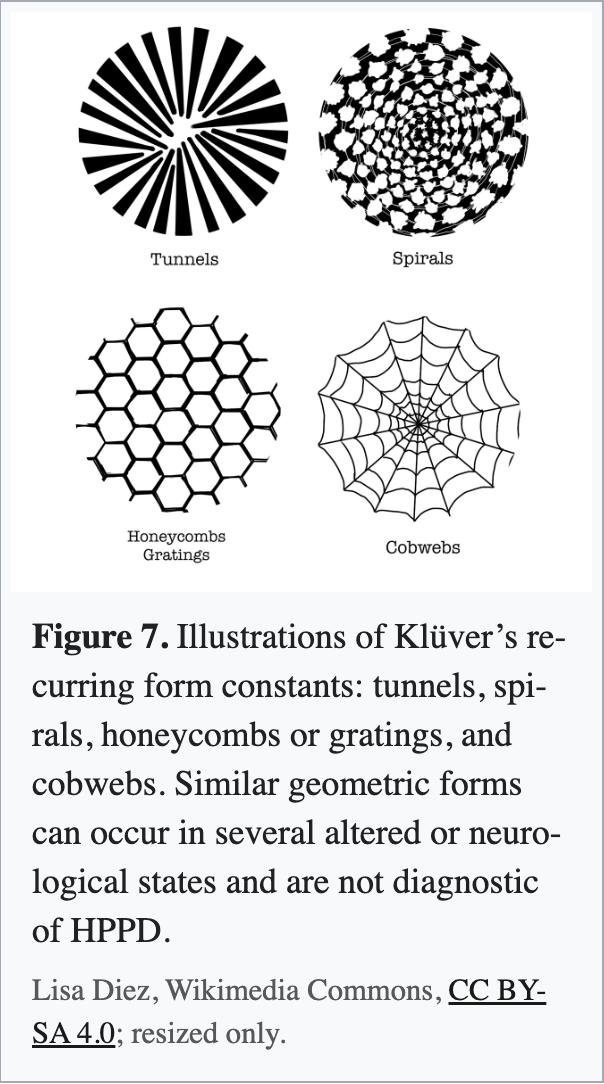
geometric patterns, colored forms, or intensified colors;
• apparent
movement or “breathing” of stationary surfaces;
• altered
size, distance, depth, shape, or motion;
• difficulty
seeing in dim light;
• increased
awareness of floaters, blue-field entoptic phenomena, or other visual effects
generated within the eye or visual system;
• photophobia
or unusual sensitivity to light.[49][19][52]
Some people also report nonvisual changes, including tinnitus, altered bodily sensations, derealization, depersonalization, or a sense that perception is no longer automatic. A 2021 systematic review of 97 published cases identified a highly heterogeneous range of symptoms, including many phenomena not emphasized in conventional diagnostic descriptions. The authors found that less than half of reported patients had a course exceeding a year and that approximately one third achieved remission, although case-based literature is strongly affected by selection and publication bias.[49]
Symptoms can be continuous, episodic, or fluctuating. They may become more noticeable in darkness, against blank walls, after poor sleep, during stress, following cannabis or stimulant use, or when a person deliberately checks for them. Some people experience mild phenomena with little distress. Others become unable to drive at night, read comfortably, work at a screen, tolerate bright environments, or stop monitoring their vision.[49][19][12]
HPPD, flashbacks, and “reactivations” are not identical
The word flashback has historically been used for many different events: a brief recurrence of perceptual effects, an intrusive memory of a frightening trip, a trauma-like re-experiencing episode, or any unusual sensation after drug use. This ambiguity inflates confusion about prevalence.[52]
A 2026 review distinguishes persistent HPPD from shorter flashbacks and reactivation-like states, noting that many self-identified cases do not meet full criteria. HPPD probably has low relative prevalence but can be highly significant; symptoms often subside within a year or become tolerable, while rare cases become chronic. The authors caution that a uniformly negative prognosis may worsen distress.[52]
Older literature describes “type I” HPPD as brief, episodic recurrences with normal perception between events and “type II” as more continuous, distressing, fluctuating symptoms. The distinction may be clinically descriptive, but it is debated rather than a universally validated biological classification. Practical assessment should focus on what occurs, its frequency and impact, precipitating factors, and alternative explanations.[52]
HPPD is a diagnosis of careful exclusion
Not every visual symptom after psychedelic use is caused by HPPD. The timing may suggest a relationship without proving one, and several conditions produce overlapping phenomena. A thoughtful assessment may consider:[52][19][6]
• visual snow syndrome, which can occur
without drug exposure and may include static, afterimages, photophobia,
night-vision problems, tinnitus, and migraine;
• migraine aura, including aura without
headache;
• retinal,
optic-nerve, or other ophthalmological disease;
• focal
seizures or other neurological conditions;
• medication
effects or withdrawal;
• intoxication
with cannabis, stimulants, dissociatives, or novel psychoactive substances;
• severe
sleep deprivation;
• anxiety,
panic, and hypervigilance;
• depersonalization
and derealization;
• ordinary
entoptic phenomena that have become unusually salient;
• psychosis,
particularly when complex hallucinations or fixed delusional interpretations
are present.[52][19][6]
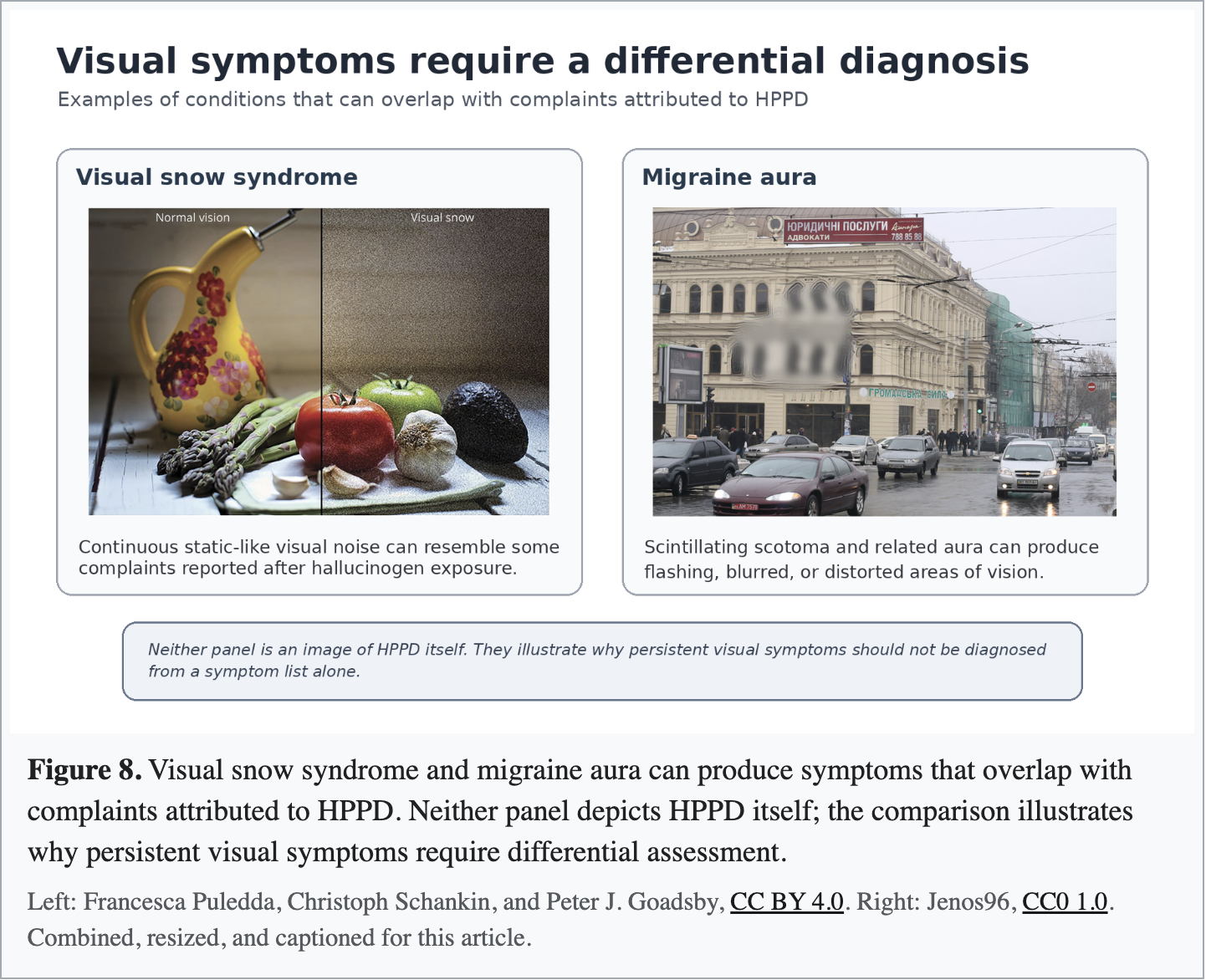
A case series from neuro-ophthalmology settings found substantial overlap between HPPD and visual snow syndrome. Common symptoms included visual snow, floaters, palinopsia, and impaired night vision, while ophthalmic and neurological investigations were normal in most cases. Normal testing does not mean the symptoms are unreal; it means routine tests may not identify a structural lesion and that the diagnosis depends heavily on history and the detailed symptom pattern.[19]
The distinction from psychosis is especially important. A person with HPPD usually recognizes that the visual disturbance is an alteration in perception. They may say, “I know the wall is not actually moving, but it looks as though it is.” A person with psychosis may form a fixed belief that the movement proves an external force is controlling the room. HPPD and psychosis can coexist, but perceptual disturbance alone should not be equated with loss of reality testing.[52][29]
What do we know about prevalence?
No dependable population-wide prevalence estimate exists. Studies use different definitions, ask different questions, include different substances, and often fail to separate benign visual effects from distressing impairment. People with severe symptoms are more likely to join HPPD communities and clinical studies, while people with mild symptoms may never mention them. Conversely, stigma and fear of disclosure may suppress reporting.[52][49][19]
A 2026 electronic-health-record study identified 25,778 people with an HPPD diagnostic code. Before diagnosis, depression, anxiety, chronic pain, headache syndromes, post-viral fatigue, ADHD, and fibromyalgia were common; anxiety and post-viral fatigue predicted later HPPD coding among people with psychedelic-use codes. HPPD coding was also associated with later psychiatric and persistent physical-symptom diagnoses. The study cannot establish prevalence or causation because coding may be inconsistent, treatment-seeking populations are selective, substance details were unavailable, and complex patients may be overrepresented. [12]
A 2026 phase 2b randomized trial provides a direct, though numerically limited, safety signal. The EPISODE trial randomized 144 adults with treatment-resistant depression to two administrations involving 25-mg psilocybin, 5-mg psilocybin, or an active placebo sequence, all with adjunct psychotherapy. Two serious adverse reactions occurred after 25-mg psilocybin, including one case of HPPD; reports of suicidal ideation were also higher on dosing days. One case cannot estimate incidence, but it demonstrates that screening, standardized dosing, psychotherapy, and clinical monitoring do not eliminate the possibility of HPPD.[32]
The safest summary is that transient post-drug perceptual phenomena may be more common than formally diagnosed HPPD, while persistent, distressing, functionally impairing HPPD appears uncommon. The exact denominator is unknown.[52]
Possible mechanisms
The biological mechanism of HPPD has not been established. Proposed explanations have included persistent changes in visual cortical excitability or inhibition, altered sensory gating, thalamocortical processing, attention and salience, migraine-related mechanisms, and overlap with visual snow syndrome. Older ideas that HPPD necessarily represents direct toxic destruction of visual neurons are not supported as a general explanation.[49][12]
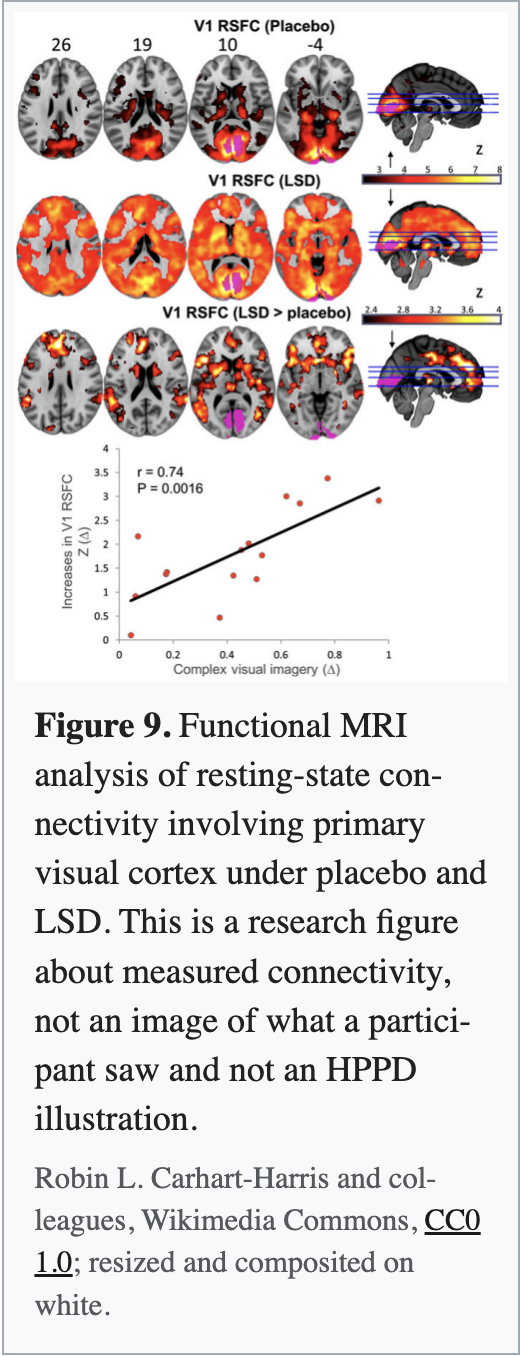
A useful clinical model need not choose between “neurological” and “psychological.” A genuine visual-processing change can become more distressing through anxiety, insomnia, catastrophic interpretation, and constant monitoring; stress and fatigue may further increase symptom salience. This does not blame patients or imply symptoms can be willed away, but identifies modifiable factors around a symptom whose initial mechanism remains uncertain. [12][49]
The 2026 electronic-record study found strong associations with anxiety and persistent physical-symptom syndromes and proposed that predictive-processing and hypervigilance models deserve investigation. The authors explicitly presented these as tentative mechanisms, not proof that HPPD is purely anxiety-driven.[12]
Treatment and prognosis
There is no medication or psychotherapy with established, high-quality evidence as a universal treatment for HPPD. Much of the literature consists of case reports, small case series, and uncontrolled observations. A 2025 systematic review located 31 pharmacological studies describing 87 treated participants. Reports included clonazepam, clonidine, levetiracetam, lamotrigine, other antiepileptics, antidepressants, antipsychotics, and additional agents, but the evidence was too limited and heterogeneous to support a standard regimen.[37][52]
This uncertainty has implications. Medication should be individualized by a clinician who understands the person’s full psychiatric, neurological, substance, and medication history. Online claims that one drug “cures” HPPD, that another always worsens it, or that a particular supplement repairs the visual system are not established medical facts. Benzodiazepines may carry dependence, tolerance, sedation, and withdrawal risks. Antipsychotics, antidepressants, and anticonvulsants have their own risks and may help, worsen, or leave symptoms unchanged in different reports.[37]
Nonpharmacological care often begins with reducing aggravating factors: further psychedelic use, cannabis or stimulant exposure, severe sleep loss, and compulsive symptom checking. Migraine, anxiety, depression, trauma symptoms, and insomnia should be treated on their own merits. Neuro-ophthalmological or neurological evaluation may be appropriate when symptoms are new, atypical, unilateral, associated with vision loss or neurological deficits, or diagnostically unclear.[37][52][6]
Prognosis varies. Some people recover fully. Some retain mild visual effects that become less distressing. Others experience a chronic and disabling course. The available literature does not justify promising rapid recovery, but it also does not justify telling a newly symptomatic person that they are permanently damaged. Fear-based certainty can become part of the burden.[37][49][52]
When visual symptoms need urgent evaluation
HPPD is usually discussed as a non-emergency chronic condition, but not every post-drug visual problem should be assumed to be HPPD. Sudden loss of vision, a curtain-like shadow, severe eye pain, new weakness, facial droop, inability to speak normally, a first seizure, loss of consciousness, a severe abrupt headache, or visual symptoms confined to one eye can indicate an urgent ophthalmological or neurological problem. Emergency assessment should not be delayed because drug use occurred in the past.[40][6]
13. Memory distortion, suggestibility, and overvalued beliefs
Psychedelic experiences can feel more certain than ordinary memory. Vivid imagery, intense emotion, bodily conviction, and a powerful sense of familiarity may be experienced as proof that an interpretation is historically or metaphysically true. A person may believe they have recovered a forgotten event, identified the hidden cause of every problem, understood another person’s intentions, or received information from an external intelligence.[17][14][48]
Emotional truth and factual accuracy are not the same. An image can express fear, grief, or conflict without being a literal record, and altered states can further disrupt memory encoding, sequencing, source monitoring, and confidence. In a small double-blind study of 20 participants, psilocybin and 2C-B increased familiarity-based false alarms on later memory tests. This does not show routine creation of elaborate false autobiographical memories, but supports caution about treating subjective certainty as verification. [17]
Suggestibility is also an interpersonal issue. A leading facilitator can shape how ambiguous sensations or images are understood. Questions such as “Is your body showing you that your father abused you?” or declarations that a participant has encountered a specific entity, past life, or diagnosis can create pressure and narrow interpretation. The person may later struggle to separate what arose spontaneously from what was suggested.[14][31]
FDA’s 2026 guidance states that informed consent for psychedelic trials should clearly describe increased vulnerability and suggestibility during the treatment session. It recommends observation by two monitors and access to a physician under specified circumstances. These recommendations apply to clinical investigations rather than every nonclinical setting, but they reflect a central principle: the altered state changes the ethics of influence.[48][15][31]
Major decisions after a psychedelic experience
Psychedelic experiences may be followed by changes in goals, values, religion, relationships, occupation, diet, sexuality, social activities, or political views. A 2026 retrospective survey of 581 naturalistic users found that 83 percent reported at least one major life change they believed had been influenced by psychedelic use. Participants rated changes very positively on average, but the sample was susceptible to selection and positive-response bias. The study shows that consequential change is common within some self-selected user groups; it does not prove that every change is wise or caused solely by the drug.[3]
A period of reflection before irreversible action is prudent, especially when sleep, mood, or reality testing is unstable. Ending a marriage, quitting a job, giving away money, abandoning medication, relocating, making public accusations, or joining a high-control group should not be treated as urgent merely because the idea arrived with unusual certainty. Trusted people can help distinguish a durable value from an impulsive state-dependent conclusion.[3][24]
14. Factors that may increase the likelihood or severity of harm
No checklist can predict an individual outcome. People with apparently low risk can have severe experiences, while people with known vulnerabilities may not. Risk factors should therefore guide caution and assessment rather than create guarantees.[29][23]
Dose, potency, and repeated exposure
Higher doses generally produce more intense effects and, in controlled research, have been associated with stronger challenging as well as mystical-type experiences. Outside a laboratory, dose may be uncertain. Mushroom potency varies, extracts may be concentrated, and unregulated products may be mislabeled. Redosing before the first dose has fully developed can produce an unexpectedly prolonged or intense state.[25][13]
Repeated use introduces additional uncertainty. Modern therapeutic studies often involve one or a small number of supervised doses, not frequent exposure over weeks or months. A person who is increasingly preoccupied, sleeping less, or experiencing visual or dissociative symptoms may worsen the situation by repeatedly trying to “complete” the experience.[48][28]
Current mental state and reason for use
Severe anxiety, active depression, recent trauma, bereavement, interpersonal crisis, suicidality, or emerging psychiatric symptoms can shape both the acute state and aftermath. The 2026 extended-difficulties preprint associated disruptive difficulties with pre-existing anxiety or depression, younger age, lower family support, and using psychedelics for mental-health concerns. Because it was retrospective, these are associations rather than proven causal predictors. [42][27]
Psychosis and bipolar vulnerability
A personal history of psychosis, mania, bipolar I disorder, or severe psychiatric destabilization warrants particular caution. A strong family history may also be relevant, although family information is often incomplete and the degree of added risk cannot be quantified reliably. These populations have commonly been excluded from contemporary trials, leaving uncertainty rather than evidence of safety.[18][16][44][23]
Prodromal warning signs matter even without a diagnosis. Increasing suspiciousness, unusual ideas of reference, disorganized thinking, major personality change, markedly reduced sleep, or escalating grandiosity before drug use may indicate that a person is already becoming unwell.[18][44]
Sleep deprivation
Sleep loss can intensify anxiety, perceptual anomalies, emotional reactivity, dissociation, mania, and psychosis. It can be both a predisposing factor and an early sign of deterioration. Entering a psychedelic experience after prolonged wakefulness, remaining awake through a long event, and then continuing to avoid sleep can produce a dangerous feedback loop.[18][24][44]
A person who feels energized after one poor night may still be recovering. A person who sleeps little for several nights while becoming more activated, grandiose, irritable, or paranoid needs assessment. The question is not only “Are you tired?” Mania often reduces the subjective need for sleep, so the person may insist they feel excellent.[18]
Mixing substances
Cannabis is frequently treated as benign in psychedelic settings, but it can intensify perceptual changes, panic, paranoia, dissociation, and confusion. Stimulants can add agitation, cardiovascular strain, and sleep loss. Alcohol may impair judgment and complicate vomiting or injury. Dissociatives can deepen disconnection from body and environment. Unknown combinations make duration and toxicity harder to predict.[26][22]
In the mushroom emergency-treatment survey, poor setting and substance mixing were among the most commonly reported explanations for incidents. This does not show that a particular combination will cause an emergency, but it supports the general principle that polysubstance use increases unpredictability.[26]
Medications and medical conditions
Interaction evidence is incomplete. The effect depends on the psychedelic, medication, dose, duration of medication use, and individual physiology. Lithium is a notable concern because of seizure reports. Monoamine oxidase inhibitors are already part of some ayahuasca preparations and can create serious interactions with other serotonergic or sympathomimetic substances. Cardiovascular disease, seizure disorders, pregnancy, liver or kidney impairment, and other medical conditions may alter risk.[22][35][46][7]
A person should not abruptly discontinue an antidepressant, mood stabilizer, antipsychotic, benzodiazepine, or other prescribed medication to take a psychedelic. Withdrawal, relapse, and interaction risk require individualized medical guidance. Online medication charts are not substitutes for a prescriber who knows the full history.[22][48]
Age, personality, and social support
Some studies associate younger age or higher neuroticism with more intense challenging experiences or emergency presentations. These findings are exploratory and do not mean that young people or people with anxious traits are destined to have adverse outcomes. They may reflect experience, dose choices, setting, reporting patterns, or other variables. Strong social support, by contrast, appears relevant to both acute safety and later coping, although support cannot eliminate pharmacological or psychiatric risk.[25][26][42]
Environment and facilitator behavior
Physical comfort, access to exits and bathrooms, freedom from interruption, and the presence of a calm trusted person can influence an experience. So can coercion, crowding, secrecy, unsafe terrain, weapons, traffic, water, or social pressure to take a larger dose. A setting presented as sacred or therapeutic is not automatically safe.[10][23]
The facilitator’s conduct may be decisive. A person under intense drug effects may have reduced ability to evaluate suggestions, defend boundaries, or leave. Charisma, credentials, spiritual status, or community reputation do not replace accountability.[48][31]
15. Unsafe facilitators, coercive groups, and abuse
Psychedelic harm is not limited to pharmacology. Some of the most serious injuries occur when an altered and dependent person is exploited by someone who controls the environment, interpretation, transportation, housing, or access to care.[31][15][48]
Warning signs include secrecy about training or emergency procedures; pressure to stop medication without a prescriber; promises of guaranteed cures; sexualized touch; insistence that boundaries are evidence of resistance; dosing without clear consent; discouraging contact with family; preventing a participant from leaving; demanding large donations or escalating payments; imposing a single spiritual explanation; or claiming that criticism proves the facilitator’s special insight.[31][15]
Consent obtained before a session does not authorize unlimited conduct during intoxication. Consent to one form of supportive touch is not consent to sexual contact, nudity, restraint, or another form of touch. A person can withdraw consent, and intoxication may prevent meaningful expansion of prior consent. Researcher interviews on therapeutic touch have specifically highlighted the need for clear advance agreements, ongoing boundary management, and limits on broadening consent during dosing.[31][9][48]
After abuse, communities sometimes protect the facilitator by recasting the participant’s distress as projection, ego resistance, or failure to integrate. This can reproduce the original violation. Trauma-informed care should separate the possible meaning of the psychedelic experience from the concrete behavior of people who had duties of care.[31]
16. Why clinical-trial safety cannot be generalized to every real-world setting
A well-designed clinical trial may include medical and psychiatric screening, verified product and dose, preparation, trained monitors, controlled surroundings, medication review, emergency planning, documentation, follow-up, and psychological support. FDA’s 2026 guidance recommends two monitors during treatment, an on-call physician when needed, informed consent about prolonged changes and suggestibility, and systematic documentation of central nervous system effects. [48][23][15]
An unsupervised session, festival, underground treatment, or loosely regulated retreat may provide none of these protections. Even conscientious nonclinical facilitators may lack the ability to recognize mania, psychosis, serotonin toxicity, a seizure, or an eye or neurological emergency. Emergency services may be distant. The product may be uncertain. Follow-up may consist only of encouragement to attend another ceremony.[48][24]
Clinical trials still leave important questions open. Samples are often small, follow-up varies, adverse events may be defined inconsistently, and exclusions limit generalizability. Psychological support is difficult to separate from drug effects, while obvious intoxication compromises blinding. FDA guidance therefore calls for durability assessment, longer follow-up, attention to repeat dosing, and postmarketing risk. [48][39][28][51]
The message is conditional: selected psychedelic interventions have shown promising benefits and an encouraging safety profile under structured research conditions. That does not establish the safety of every substance, person, dose, facilitator, or setting.[48][51][41][21]
17. Assessment: what a clinician needs to know
People with post-psychedelic difficulties may fear judgment, disbelief, or automatic hospitalization. A useful assessment begins by taking the experience seriously without assuming either that the drug explains everything or that nothing unusual happened. [24][29]
A useful evaluation begins with a timeline: what was taken, approximate amount and route, source, other substances taken, medications, sleep before and after, onset and duration of symptoms, prior experiences, medical events, and what has changed since baseline. When the substance is uncertain, packaging, photographs, remaining material, or toxicology may help, although routine testing has limits. [24][29]
The clinician also needs a clear description of current symptoms rather than a label alone. “HPPD” may mean continuous visual static to one person and panic-triggered flashbacks to another. “Psychosis” may refer to acute imagery with preserved insight, while “spiritual awakening” may conceal command hallucinations and dangerous grandiosity. Questions should address frequency, duration, triggers, level of conviction, insight, distress, and functional effect.[29][52]
Important domains include:
• sleep
quantity and perceived need for sleep;
• suicidal
thoughts, plans, intent, and access to lethal means;
• thoughts
of harming others or acting in self-defense against perceived threats;
• hallucinations,
delusions, ideas of reference, and disorganization;
• elevated
or irritable mood, impulsivity, spending, sexual behavior, and grandiosity;
• panic,
avoidance, intrusive memories, nightmares, and hyperarousal;
• depersonalization,
derealization, and changes in identity;
• visual
and other sensory symptoms;
• headaches,
seizures, fainting, weakness, speech changes, or loss of vision;
• current
cannabis, stimulant, alcohol, psychedelic, or other drug use;
• ability
to work, study, eat, maintain hygiene, manage money, and sustain
relationships.[24][29][52]
Past and family history matter. Previous episodes of depression, mania, psychosis, dissociation, migraine, seizures, trauma, substance problems, or visual symptoms may change the differential diagnosis. A family history of bipolar or psychotic disorders can be relevant even when the person was previously well.[23][29][44][18][49]
Differential diagnosis is not disbelief
A differential diagnosis is a structured comparison of plausible explanations. It does not deny that the psychedelic experience mattered. A person can have panic disorder triggered by a frightening trip, visual snow that became noticeable afterward, medication withdrawal, a first bipolar episode precipitated by sleep loss, or HPPD complicated by health anxiety. More than one condition may be present.[29][24][52]
Depending on the presentation, appropriate assessment may involve primary care, psychiatry, addiction medicine, neurology, ophthalmology, or neuro-ophthalmology. Basic medical evaluation may be needed when symptoms are atypical or when the substance was uncertain. New focal neurological signs, one-eye visual changes, severe headache, seizure, or loss of consciousness should not be assigned a psychiatric explanation without medical consideration.[29][52][6]
The 2026 HPPD cohort illustrates why broad assessment matters: people carrying an HPPD diagnosis had substantial psychiatric, pain, headache, fatigue, and persistent physical-symptom conditions. The study cannot determine which condition caused another, but it argues against treating every patient as a simple isolated visual syndrome.[12]
A good clinician can remain neutral about metaphysical meaning. They can say, “I do not know whether that experience reveals an ultimate truth, but I believe that it was powerful and that you are suffering now.” This protects the therapeutic relationship without reinforcing a delusion or humiliating the person.[5][24]
18. What may help when symptoms persist
The initial principle is:
Stabilize first; interpret later.
Interpretation is not forbidden, but urgent meaning-making can keep the nervous system activated. Early priorities are sleep, safety, hydration and nutrition, routine, reduced stimulation, medication review, and assessment of psychiatric or neurological symptoms. Deeper interpretation can wait until the person is more stable. [5][29]
Pause further psychoactive exposure
Until symptoms have settled or been assessed, avoid additional psychedelics and other non-prescribed psychoactive substances. Cannabis, stimulants, and repeated psychedelic dosing can intensify panic, insomnia, perceptual symptoms, derealization, mania, or psychosis. Taking another dose to “finish the process” is not a medically established treatment for a destabilizing reaction.[42][37][52]
Do not abruptly stop prescribed medication. Tell the prescriber about the drug exposure and symptoms, even when the conversation feels embarrassing. The approximate substance, dose, route, timing, co-use, and sleep history can materially change medical decisions.[22][48]
Rebuild sleep and routine
Regular wake time, daytime light, meals, movement, reduced nighttime stimulation, and a quiet sleeping environment can support recovery. Severe insomnia requires clinical attention, particularly when accompanied by activation or psychotic symptoms. People should not drive or operate dangerous equipment when sleep-deprived, visually impaired, dissociated, or taking sedating medication.[18][24]
Routine is not a denial of the experience. Ordinary activities—cooking, showering, walking, doing laundry, speaking with a familiar person—can restore temporal structure and a sense of continuity. Recovery may depend less on finding the perfect explanation than on repeatedly re-entering ordinary life.
Reduce compulsive checking
Constantly testing vision, memory, emotions, or reality can increase symptom salience. A person may stare at blank walls to measure static, compare afterimages every few minutes, or repeatedly ask whether they seem normal. Gradually reducing these rituals can help, especially when paired with treatment for anxiety. This should not become another demand to ignore symptoms; the goal is to loosen the cycle of monitoring and alarm.[12][49][37]
Use psychologically informed support
Therapy may address panic, trauma symptoms, depression, dissociation, shame, grief, obsessive rumination, or life disruption. The approach should match the problem. Grounding and behavioral stabilization may be more appropriate initially than intensive meditation, breathwork, sensory deprivation, or attempts to recreate altered states.[5][24][37]
“Psychedelic integration” can be helpful when it means careful reflection, emotional processing, and translating values into ordinary behavior. It becomes risky when it replaces diagnosis, insists on a positive meaning, promotes another drug session, or interprets mania and psychosis as spiritual advancement. A qualitative study of integration groups found that participants valued community support but also identified problems involving group dynamics and facilitator training.[33]
Protect decision-making
During periods of altered sleep, mood, or certainty, postpone irreversible decisions when possible. Ask a trusted person to help monitor spending, driving, online posting, major relationship actions, and access to substances. This is especially important when the person feels uniquely clear or believes ordinary caution is evidence that others cannot understand.[3][18]
Expect a variable course
Recovery is rarely perfectly linear. Symptoms may fluctuate with sleep, stress, illness, caffeine, cannabis, lighting, or attention. A bad day does not necessarily mean permanent deterioration. Likewise, a brief improvement does not mean follow-up is unnecessary when there has been severe mania, psychosis, suicidality, or a seizure.[52][37][12]
Avoid false certainty in both directions. No responsible clinician should guarantee that all symptoms will disappear by a particular date. Nor should they tell a person, without adequate evidence, that the brain is permanently damaged. The HPPD literature suggests a range from spontaneous remission to chronic impairment, with many patients improving or adapting over time.[52][37]
Supporting someone after a destabilizing experience
Friends and family are often first to notice that recovery is not proceeding normally. Their role is not to diagnose or debate metaphysics, but to observe concrete changes, support safety, and help the person reach appropriate care. [24][29]
Begin with concrete questions. How much have they slept? Are they eating and drinking? Are they using cannabis, stimulants, psychedelics, or other substances? Can they manage money, transportation, medication, work, and basic self-care? Do they feel watched, commanded, specially chosen, or unable to remain safe? Direct questions about suicide do not create suicidal thoughts; they clarify urgency.[24][1][40]
Listen without arguing over the experience’s ultimate meaning. “That was only a hallucination” may feel dismissive, while “you definitely discovered another dimension” may reinforce unstable certainty. A steadier response is: “I believe it felt completely real. Let’s focus on sleep, safety, and what you are experiencing now.” [5][24]
Offer practical assistance. Accompany the person to an appointment, help write a timeline of substances and symptoms, arrange transportation, reduce access to additional drugs, and stay nearby when risk is elevated. With permission, provide clinicians with observations the person may not recognize, such as nonstop speech, spending, threats, or several nights without sleep.[24][1]
Set boundaries when necessary. Supporting someone does not require accepting abuse, financing impulsive plans, concealing weapons, or participating in delusional missions. When danger is immediate, emergency intervention may be necessary even if the person objects. Safety takes priority over preserving agreement.[1][40]
Avoid overwhelming the person with alarming internet stories. Online forums can provide recognition and peer support, but repeated exposure to catastrophic narratives may intensify symptom monitoring and hopelessness. Use them selectively rather than as a substitute for assessment. [52][37]
Recovery can strain relationships. Caregivers may feel frightened, angry, guilty, or exhausted, particularly when they were present during the original experience. They may need their own support and should not be the sole safety plan. Professional care, crisis services, and a wider network reduce dependence on one overwhelmed person.[33][24]
Take changes seriously without assuming the worst prognosis. Calm concern is more useful than either panic or denial. The message can be simple: “Something changed, you deserve help, and we will address the next safe step rather than decide your whole future today.”[52][24]
Keep a record of sleep, medication, substance use, appointments, and behavioral changes. A timeline can reveal improvement or escalation that is hard to see from one emotional day to the next. Record observable facts rather than interpretations: hours slept, meals missed, money spent, threats made, or workdays lost. This information can help clinicians assess risk, distinguish fluctuating symptoms from a worsening syndrome, and plan follow-up without relying solely on memory.[24][29]
19. When to seek emergency help
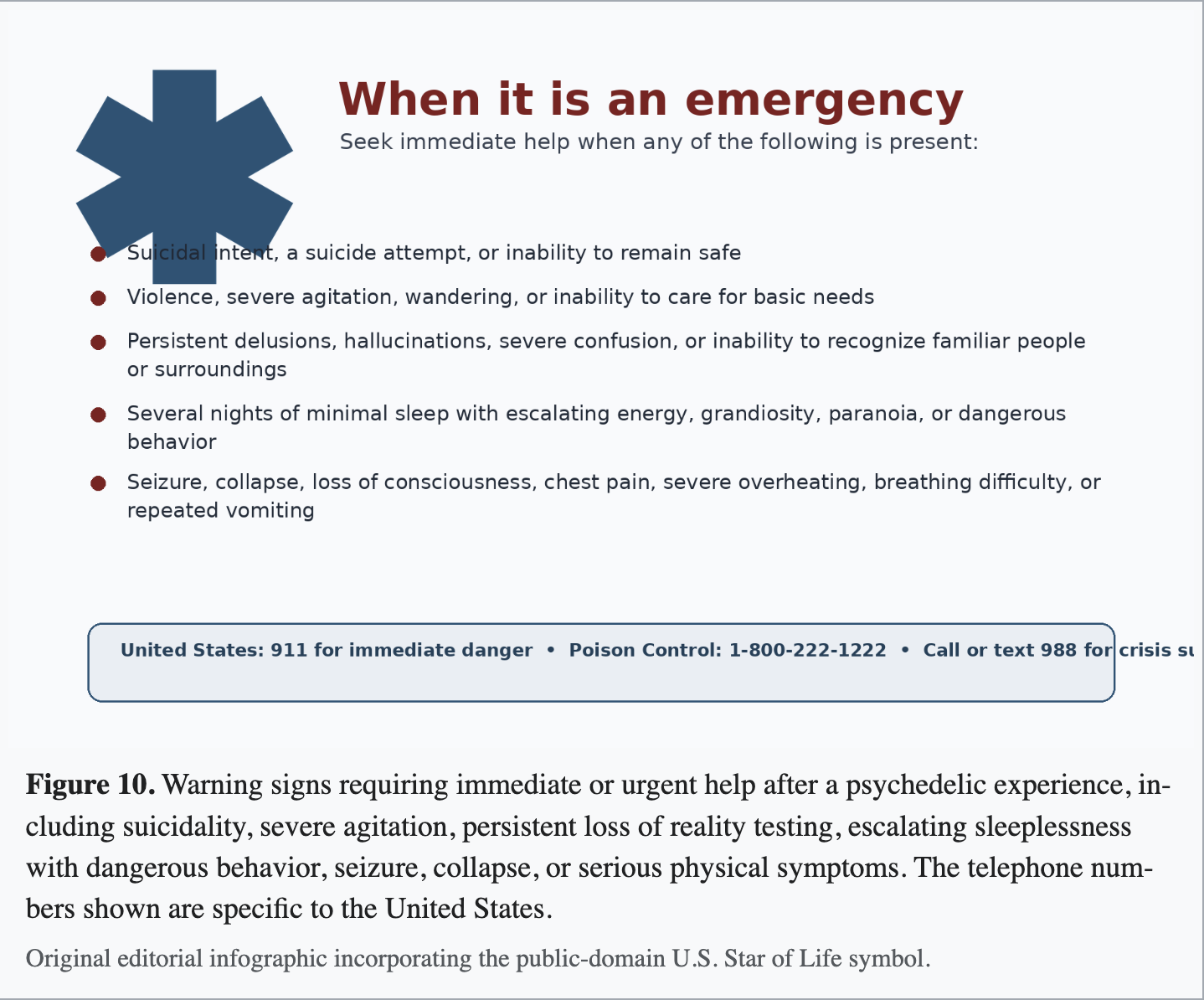
Seek emergency assistance immediately when a person
has:[40][1][24]
• suicidal
intent, a suicide attempt, or an inability to remain safe;
• violent
behavior, severe agitation, dangerous wandering, or access to weapons during
paranoia or confusion;
• delusions
that impair safety or basic functioning, command hallucinations, extreme
disorganization, or inability to recognize familiar people or surroundings;
• several
nights of minimal sleep with escalating energy, grandiosity, paranoia, or
dangerous behavior;
• a
seizure, collapse, loss of consciousness, breathing difficulty, chest pain,
severe overheating, muscle rigidity, repeated vomiting, or inability to be
awakened;
• sudden
loss of vision, new weakness, facial droop, severe abrupt headache, or
difficulty speaking;
• suspected
poisoning involving an unknown or mixed product.[40][1][24]
Do not leave a severely confused, suicidal, psychotic, or medically unstable person alone. Remove immediate hazards when this can be done safely. Do not attempt to reason away a medical emergency or transport a violent or unconscious person without professional guidance.[40][1]
In the United States, call 911 for immediate danger or severe medical symptoms. Poison Control can be reached at 1-800-222-1222; it advises calling 911 immediately when someone collapses, has a seizure, has trouble breathing, or cannot be awakened. The 988 Suicide & Crisis Lifeline is available by call or text for suicidal, mental-health, substance-use, or emotional crises.[40][1]
Outside the United States, use the local emergency number, poison center, or crisis service.
20. A balanced conclusion
Most people who use classic psychedelics do not develop persistent psychosis, disabling HPPD, or another severe lasting disorder. Controlled research generally reports low rates of serious adverse events in screened participants, but uncommon harms remain real and current data are not precise enough to assign personalized risk. [51][47][44][52]
“Uncommon” does not mean imaginary, and “safe in a trial” does not mean safe for every person, product, dose, or setting. Risk is shaped by vulnerability, sleep, medications, substance identity, dose, repeated exposure, social environment, facilitator behavior, and access to care. [42][26][18][44][12]
A challenging experience may eventually become meaningful. It may also be traumatic, destabilizing, or both. Later benefit does not erase injury, and acute terror does not have to be romanticized to be understood. People who suffer after psychedelics should not be told that they failed, resisted healing, or must take another dose. They deserve the same careful assessment, compassion, medical attention, and uncertainty-aware treatment offered after any other psychiatric or drug-related complication.[13][5][50]
Responsible discussion of psychedelics has room for therapeutic promise and for people whose experiences went wrong. Scientific maturity requires both.[29][45]
Reference notation
Bracketed numbers correspond to the numbered sources below.
Source list
[1] 988 Suicide & Crisis Lifeline. Get Help. U.S. national crisis-support resource. Accessed August 20, 2026. Source page.
[2] Aaronson ST, van der Vaart A, Miller T, LaPratt J, Swartz K, Shoultz A, et al. Single-Dose Synthetic Psilocybin With Psychotherapy for Treatment-Resistant Bipolar Type II Major Depressive Episodes. JAMA Psychiatry. 2024;81(6):555. DOI: 10.1001/jamapsychiatry.2023.4685. Source page.
[3] Aday JS, Glynos NG, Baker AK, Pouyan N, Smith T, Barron J, et al. Major life changes following psychedelic use: A retrospective survey among people using psychedelics naturalistically. Scientific Reports. 2026;16(1):17493. DOI: 10.1038/s41598-026-48084-3. Source page.
[4] American Psychiatric Association. Diagnostic and Statistical Manual of Mental Disorders. 5th ed., text rev. Washington, DC: American Psychiatric Association Publishing; 2022.
[5] Argyri EK, Evans J. Ontologically Challenging Psychedelic Experiences: Considerations for Managing Associated Distress. Current Topics in Behavioral Neurosciences. 2026;431-450. DOI: 10.1007/7854_2025_609. Source page.
[6] Ayesha A, Riehle C, Leishangthem L. Diagnostic and Management Strategies of Visual Snow Syndrome: Current Perspectives. Eye and Brain. 2025;17:1-11. DOI: 10.2147/EB.S418923. Source page.
[7] Barnett BS, Koons CJ, Van den Eynde V, Gillman PK, Bodkin JA. Hypertensive Emergency Secondary to Combining Psilocybin Mushrooms, Extended Release Dextroamphetamine-Amphetamine, and Tranylcypromine. Journal of Psychoactive Drugs. 2025;57(3):297-303. DOI: 10.1080/02791072.2024.2368617. Source page.
[8] Barrett FS, Bradstreet MP, Leoutsakos JMS, Johnson MW, Griffiths RR. The Challenging Experience Questionnaire: Characterization of challenging experiences with psilocybin mushrooms. Journal of Psychopharmacology. 2016;30(12):1279-1295. DOI: 10.1177/0269881116678781. Source page.
[9] Bender DA, Nayak SM, Siegel JS, Hellerstein DJ, Ercal BC, Lenze EJ. The Role of Touch in Psychedelic Therapy: Perspectives From a Survey of Practitioners in Research Settings. American Journal of Psychotherapy. 2025;78(4):224-230. DOI: 10.1176/appi.psychotherapy.20240025. Source page.
[10] Borkel LF, Rojas-Hernández J, Henríquez-Hernández LA, Santana Del Pino Á, Quintana-Hernández DJ. Set and setting predict psychopathology, wellbeing and meaningfulness of psychedelic experiences: a correlational study. Expert Review of Clinical Pharmacology. 2024;17(2):165-176. DOI: 10.1080/17512433.2023.2295997. Source page.
[11] Bremler R, Katati N, Shergill P, Erritzoe D, Carhart-Harris RL. Case analysis of long-term negative psychological responses to psychedelics. Scientific Reports. 2023;13(1):15998. DOI: 10.1038/s41598-023-41145-x. Source page.
[12] Butler M, Moore E, Rucker JJ, Lynch-Kelly K, Hafeez D, Prideaux E, et al. Characterising the clinical associations of hallucinogen persisting perception disorder: a retrospective cohort study. Translational Psychiatry. 2026;16(1):308. DOI: 10.1038/s41398-026-04042-1. Source page.
[13] Carbonaro TM, Bradstreet MP, Barrett FS, MacLean KA, Jesse R, Johnson MW, et al. Survey study of challenging experiences after ingesting psilocybin mushrooms: Acute and enduring positive and negative consequences. Journal of Psychopharmacology. 2016;30(12):1268-1278. DOI: 10.1177/0269881116662634. Source page.
[14] Carhart-Harris RL, Kaelen M, Whalley MG, Bolstridge M, Feilding A, Nutt DJ. LSD enhances suggestibility in healthy volunteers. Psychopharmacology. 2015;232(4):785-794. DOI: 10.1007/s00213-014-3714-z. Source page.
[15] Cheung K, Propes C, Graziosi M, Patch K, Yaden DB. Informed Consent Documents from Psychedelic Clinical Trials: A Descriptive Ethical Analysis. AJOB Empirical Bioethics. 2025;16(4):247-266. DOI: 10.1080/23294515.2025.2526339. Source page.
[16] Do A, Cloutier L, Hébert-Tremblay L, Thauvin C. Psilocybin use in bipolar disorder: A comprehensive review. Journal of Affective Disorders. 2026;394:120485. DOI: 10.1016/j.jad.2025.120485. Source page.
[17] Doss MK, Mallaroni P, Mason NL, Ramaekers JG. Psilocybin and 2C-B at Encoding Distort Episodic Familiarity. Biological Psychiatry: Cognitive Neuroscience and Neuroimaging. 2024;9(10):1048-1057. DOI: 10.1016/j.bpsc.2024.06.008. Source page.
[18] Eskinazi M, Nasserdine R, Cusin RM, Baniotoupoulos P, Saccaro LF, De Pieri M, et al. Psychedelic-induced hypomania and mania: a systematic review and meta-analysis. Molecular Psychiatry. 2026. DOI: 10.1038/s41380-026-03657-6. Source page.
[19] Ford H, Fraser CL, Solly E, Clough M, Fielding J, White O, et al. Hallucinogenic Persisting Perception Disorder: A Case Series and Review of the Literature. Frontiers in Neurology. 2022;13:878609. DOI: 10.3389/fneur.2022.878609. Source page.
[20] Girn M, Doss MK, Roseman L, Preller KH, Palhano-Fontes F, Pasquini L, et al. An international mega-analysis of psychedelic drug effects on brain circuit function. Nature Medicine. 2026;32(4):1543-1554. DOI: 10.1038/s41591-026-04287-9. Source page.
[21] Goodwin GM, Aaronson ST, Alvarez O, Arden PC, Baker A, Bennett JC, et al. Single-Dose Psilocybin for a Treatment-Resistant Episode of Major Depression. New England Journal of Medicine. 2022;387(18):1637-1648. DOI: 10.1056/NEJMoa2206443. Source page.
[22] Halman A, Kong G, Sarris J, Perkins D. Drug–drug interactions involving classic psychedelics: A systematic review. Journal of Psychopharmacology. 2024;38(1):3-18. DOI: 10.1177/02698811231211219. Source page.
[23] Johnson M, Richards W, Griffiths R. Human hallucinogen research: guidelines for safety. Journal of Psychopharmacology. 2008;22(6):603-620. DOI: 10.1177/0269881108093587. Source page.
[24] King F IV, Zambrano J, Mauney E, Nigam K, Forcen FE, Barnett BS, et al. Psychological Adverse Effects of Psychedelic Use. The Primary Care Companion For CNS Disorders. 2026;28(3). DOI: 10.4088/PCC.25f04172. Source page.
[25] Ko K, Carter B, Cleare A, Rucker J. Predicting the Intensity of Psychedelic-Induced Mystical and Challenging Experience in a Healthy Population: An Exploratory Post-Hoc Analysis. Neuropsychiatric Disease and Treatment. 2023;19:2105-2113. DOI: 10.2147/NDT.S426193. Source page.
[26] Kopra EI, Ferris JA, Winstock AR, Young AH, Rucker JJ. Adverse experiences resulting in emergency medical treatment seeking following the use of magic mushrooms. Journal of Psychopharmacology. 2022;36(8):965-973. DOI: 10.1177/02698811221084063. Source page.
[27] Kopra EI, Ferris JA, Winstock AR, Kuypers KP, Young AH, Rucker JJ. Investigation of self-treatment with lysergic acid diethylamide and psilocybin mushrooms: Findings from the Global Drug Survey 2020. Journal of Psychopharmacology. 2023;37(7):733-748. DOI: 10.1177/02698811231158245. Source page.
[28] Lewis BR, Reid MJ, Novick AM, Byrne K, Niciu MJ, Fonzo GA, et al. Challenges with clinical trial participants in studies with classical psychedelics: A position statement from the National Network of Depression Centers’ task group on psychedelics and related compounds. Journal of Psychopharmacology. 2026;40(5):667-677. DOI: 10.1177/02698811251413490. Source page.
[29] Majić T, Gouzoulis-Mayfrank E, Evens R. Classifying Psychedelic-Related Complications. Current Topics in Behavioral Neurosciences. 2026;127-151. DOI: 10.1007/7854_2026_614. Source page.
[30] Marques MG, Patarroyo-Rodriguez L, Singh B. Psilocybin and Bipolar Depression: Promise and Prudence. CNS Drugs. 2026;40(2):123-132. DOI: 10.1007/s40263-025-01255-8. Source page.
[31] McHerron D, Barber M, Ham R, Liknaitzky P, Carter A, Gardner J. The ethical use of therapeutic touch in psychedelic-assisted therapy: a qualitative study of researcher perspectives and experiences. Therapeutic Advances in Psychopharmacology. 2025;15:20451253251377191. DOI: 10.1177/20451253251377191. Source page.
[32] Mertens LJ, Koslowski M, Betzler F, Brand M, Evens R, Kärtner L, et al. Efficacy and safety of psilocybin in treatment-resistant major depression: The EPISODE randomized clinical trial. JAMA Psychiatry. 2026;83(5):448. DOI: 10.1001/jamapsychiatry.2026.0132. Source page.
[33] Modlin NL, McPhee T, Zazon N, Sarang M, Hignett R, Pick S, et al. Participants’ Experience of Psychedelic Integration Groups and Processes: A Qualitative Thematic Analysis. Psychedelic Medicine. 2025;3(1):19-30. DOI: 10.1089/psymed.2024.0027. Source page.
[34] National Institute on Drug Abuse. Psychedelic and Dissociative Drugs. U.S. National Institutes of Health public-health overview. Accessed August 20, 2026. Source page.
[35] Nayak SM, Gukasyan N, Barrett FS, Erowid E, Erowid F, Griffiths RR. Classic Psychedelic Coadministration with Lithium, but Not Lamotrigine, is Associated with Seizures: An Analysis of Online Psychedelic Experience Reports. Pharmacopsychiatry. 2021;54(05):240-245. DOI: 10.1055/a-1524-2794. Online-report analysis; not an incidence study. Source page.
[36] Nayak SM, Jackson H, Sepeda ND, Mathai DS, So S, Yaffe A, et al. Naturalistic psilocybin use is associated with persisting improvements in mental health and wellbeing: results from a prospective, longitudinal survey. Frontiers in Psychiatry. 2023;14:1199642. DOI: 10.3389/fpsyt.2023.1199642. Source page.
[37] Neven A, Blom JD. Pharmacological Treatment of Hallucinogen Persisting Perception Disorder (HPPD): A Systematic Review. Harvard Review of Psychiatry. 2025;33(5):264-275. DOI: 10.1097/HRP.0000000000000439. Source page.
[38] Nichols D, Johnson M, Nichols C. Psychedelics as Medicines: An Emerging New Paradigm. Clinical Pharmacology & Therapeutics. 2017;101(2):209-219. DOI: 10.1002/cpt.557. Source page.
[39] Orsini DK, Wong S, Di Luch S, Chan B, Vasudeva S, Lovell GFM, et al. Blinding integrity in psychedelic randomized clinical trials: A systematic review. JAMA Psychiatry. 2026;83(7):755. DOI: 10.1001/jamapsychiatry.2026.0255. Source page.
[40] Poison Control. Need Immediate Assistance? U.S. poison-emergency guidance. Accessed August 20, 2026. Source page.
[41] Raison CL, Sanacora G, Woolley J, Heinzerling K, Dunlop BW, Brown RT, et al. Single-dose psilocybin treatment for major depressive disorder: A randomized clinical trial. JAMA. 2023;330(9):843. DOI: 10.1001/jama.2023.14530. Source page.
[42] Robinson OC, Luke D, Evans J, Aday JS, Johnson M, Lake S, et al. Extended difficulties after psychedelic experiences: Prevalence and associations in a global, multilingual sample. 2026. DOI: 10.21203/rs.3.rs-9304959/v1. Preprint; not peer reviewed. Source page.
[43] Roseman L, Nutt DJ, Carhart-Harris RL. Quality of Acute Psychedelic Experience Predicts Therapeutic Efficacy of Psilocybin for Treatment-Resistant Depression. Frontiers in Pharmacology. 2018;8:974. DOI: 10.3389/fphar.2017.00974. Source page.
[44] Sabé M, Sulstarova A, Glangetas A, De Pieri M, Mallet L, Curtis L, et al. Reconsidering evidence for psychedelic-induced psychosis: an overview of reviews, a systematic review, and meta-analysis of human studies. Molecular Psychiatry. 2025;30(3):1223-1255. DOI: 10.1038/s41380-024-02800-5. Source page.
[45] Siegel JS, Liston C, Nicol GE, Carhart-Harris RL, Bogenschutz MP. The science of psychedelic medicine. Nature Medicine. 2026;32(2):449-462. DOI: 10.1038/s41591-025-04194-5. Source page.
[46] Soto-Angona Ó, Fortea A, Fortea L, Martínez-Ramírez M, Santamarina E, López FJG, et al. Do classic psychedelics increase the risk of seizures? A scoping review. European Neuropsychopharmacology. 2024;85:35-42. DOI: 10.1016/j.euroneuro.2024.05.002. Source page.
[47] Studerus E, Kometer M, Hasler F, Vollenweider FX. Acute, subacute and long-term subjective effects of psilocybin in healthy humans: a pooled analysis of experimental studies. Journal of Psychopharmacology. 2011;25(11):1434-1452. DOI: 10.1177/0269881110382466. Source page.
[48] U.S. Food and Drug Administration. Psychedelic Drugs: Considerations for Clinical Investigations. Final guidance for industry. U.S. Department of Health and Human Services; 2026. Source page.
[49] Vis PJ, Goudriaan AE, ter Meulen BC, Blom JD. On Perception and Consciousness in HPPD: A Systematic Review. Frontiers in Neuroscience. 2021;15:675768. DOI: 10.3389/fnins.2021.675768. Source page.
[50] Wahba M, Hayes C, Kletter M, McAllister-Williams RH. Worsening suicidal ideation and prolonged adverse event following psilocybin administration in a clinical setting: case report and thematic analysis of one participant's experience. BJPsych Open. 2024;10(6):e229. DOI: 10.1192/bjo.2024.768. Source page.
[51] Yerubandi A, Thomas JE, Bhuiya NMMA, Harrington C, Villa Zapata L, Caballero J. Acute adverse effects of therapeutic doses of psilocybin: A systematic review and meta-analysis. JAMA Network Open. 2024;7(4):e245960. DOI: 10.1001/jamanetworkopen.2024.5960. Source page.
[52] Žuljević MF, Majić T. Flashbacks, Hallucinogen Persisting Perception Disorder (HPPD), and Reactivations Following the Use of Classic Psychedelics: Classification and Therapeutic Management. Current Topics in Behavioral Neurosciences. 2026;183-216. DOI: 10.1007/7854_2025_610. Source page.